Drones for Search and Rescue Missions in Hard-to-Reach Environments
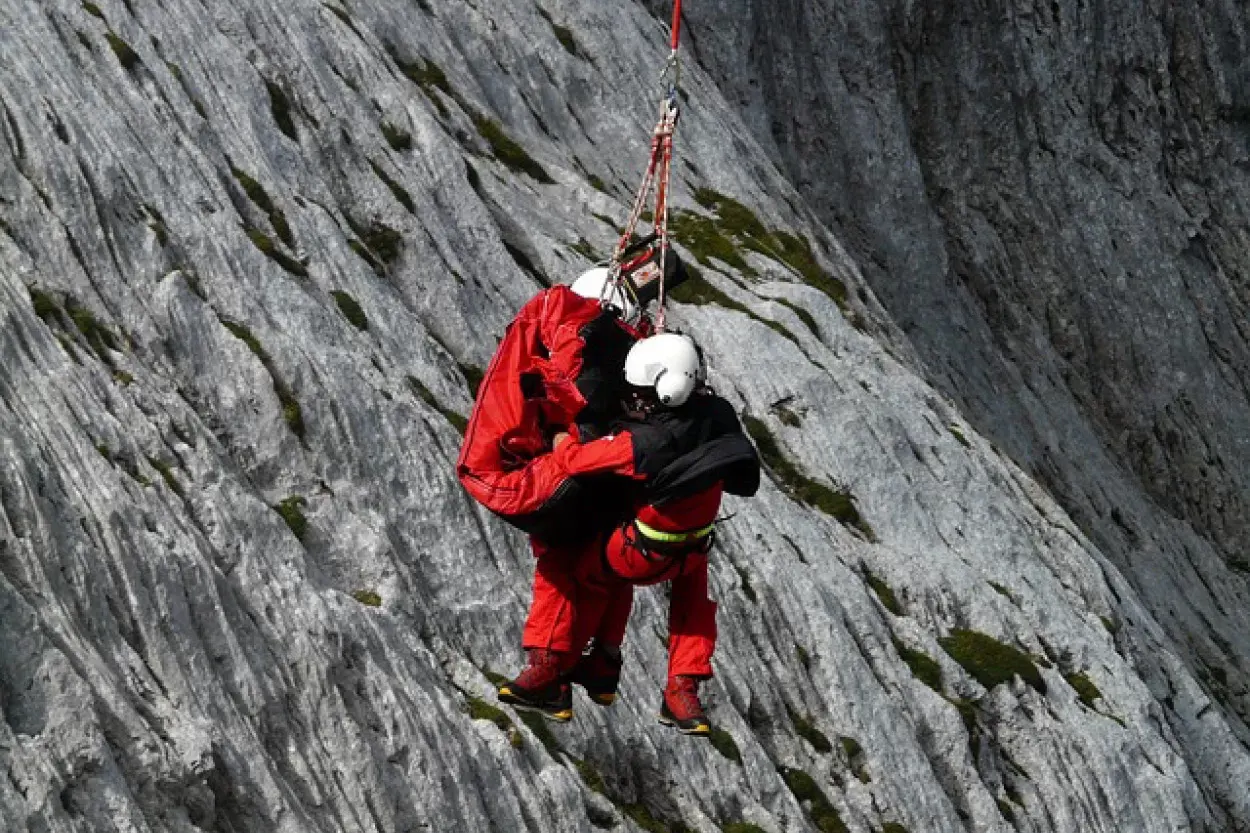
Drone applications have proven increasingly valuable and successful in search and rescue operations. In critical situations where every minute counts, drones can scan large areas and provide emergency teams with real-time information, enabling them to reach the victims before it is too late. As search and rescue operations are very unpredictable and unique in their executions, drone technology has been demonstrating its value to a great extent. Serving as an ‘eye in the sky’, UAVs allow rescue teams to assess the situation quickly and make better decisions. Moreover, they can reach inaccessible terrain or provide survivors with supplies, medicine, or communication devices.
Fly4Future is working on solutions to increase the effectiveness of drone search and rescue missions.
Autonomous UAV Swarms from Fly4Future
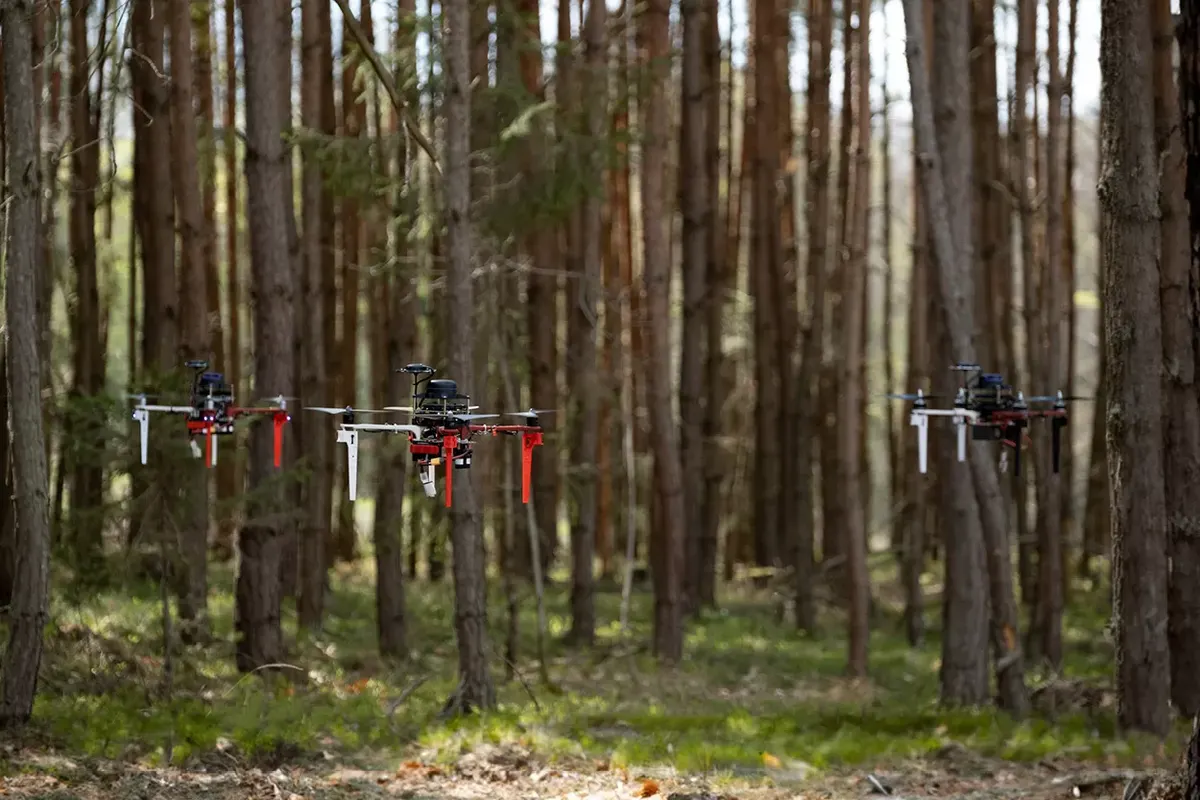
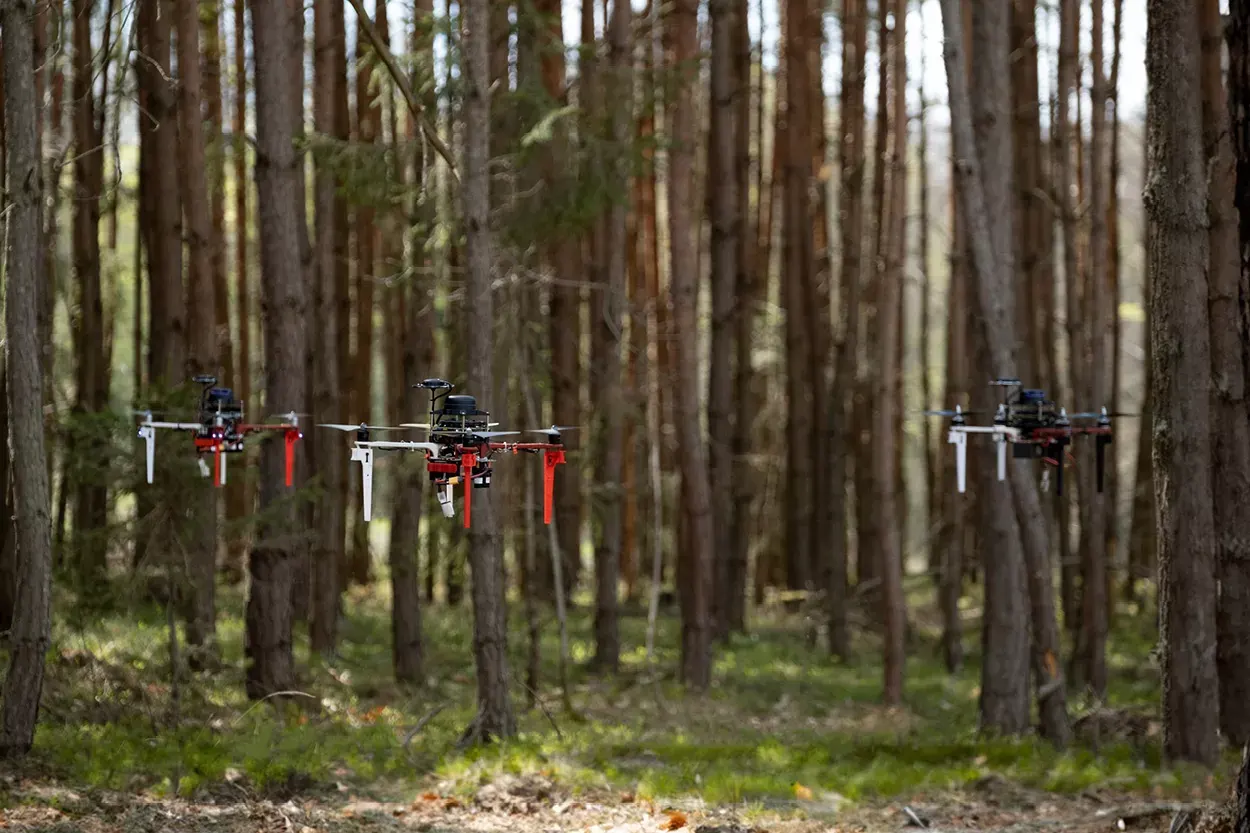
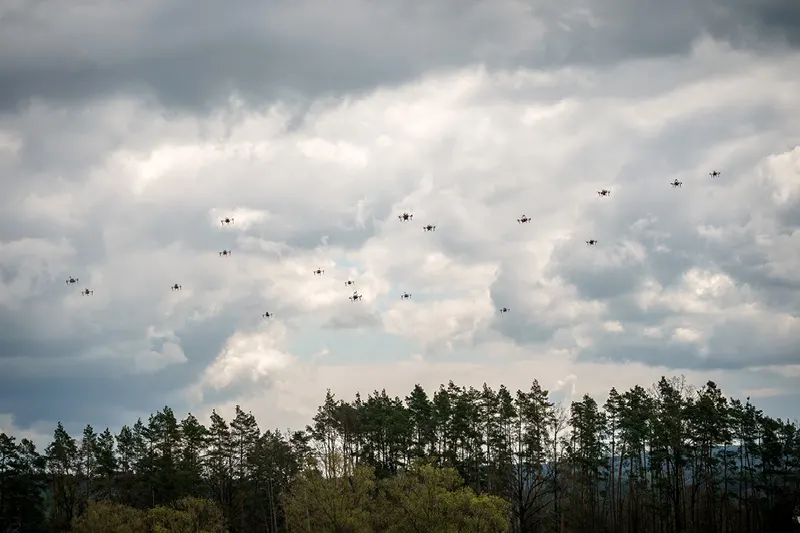
A UAV swarm is undoubtedly one of the most helpful tools in search and rescue missions. Fly4Future offers the development of swarm concepts where drones are equipped with advanced technology to communicate and operate autonomously. Thanks to their small size and high agility, our drones can quickly navigate challenging environments such as dense forests, covering vast areas that would otherwise require significant manpower from large search units.
The Fly4Future drones working in swarms can be equipped with thermal cameras to scan low-visibility environments. They can carry first aid supplies with grasping device to save time before rescue teams arrive. In addition, multiple drones can provide first responders with valuable information on how to access victims for safer mission planning. The most valuable feature of our drones is the dynamic communication network. Designed to communicate effectively with other autonomous aerial, surface or ground robots, the use of Fly4Future autonomous drones for search and rescue missions can significantly reduce response times and increase the likelihood of locating and rescuing people in distress.
In combination with the Fly4Future waterproof drones, the swarms are also capable of locating people in distress in bodies of water from lakes and rivers to oceans, thereby increasing the efficiency of water rescue operations. In addition, Fly4Future UAV swarms can carry special radiation-detecting miniature cameras and conduct searches in areas potentially affected by radiation contamination to assess the level of risk to rescuers and survivors.
Search and Rescue Above and Below the Ground
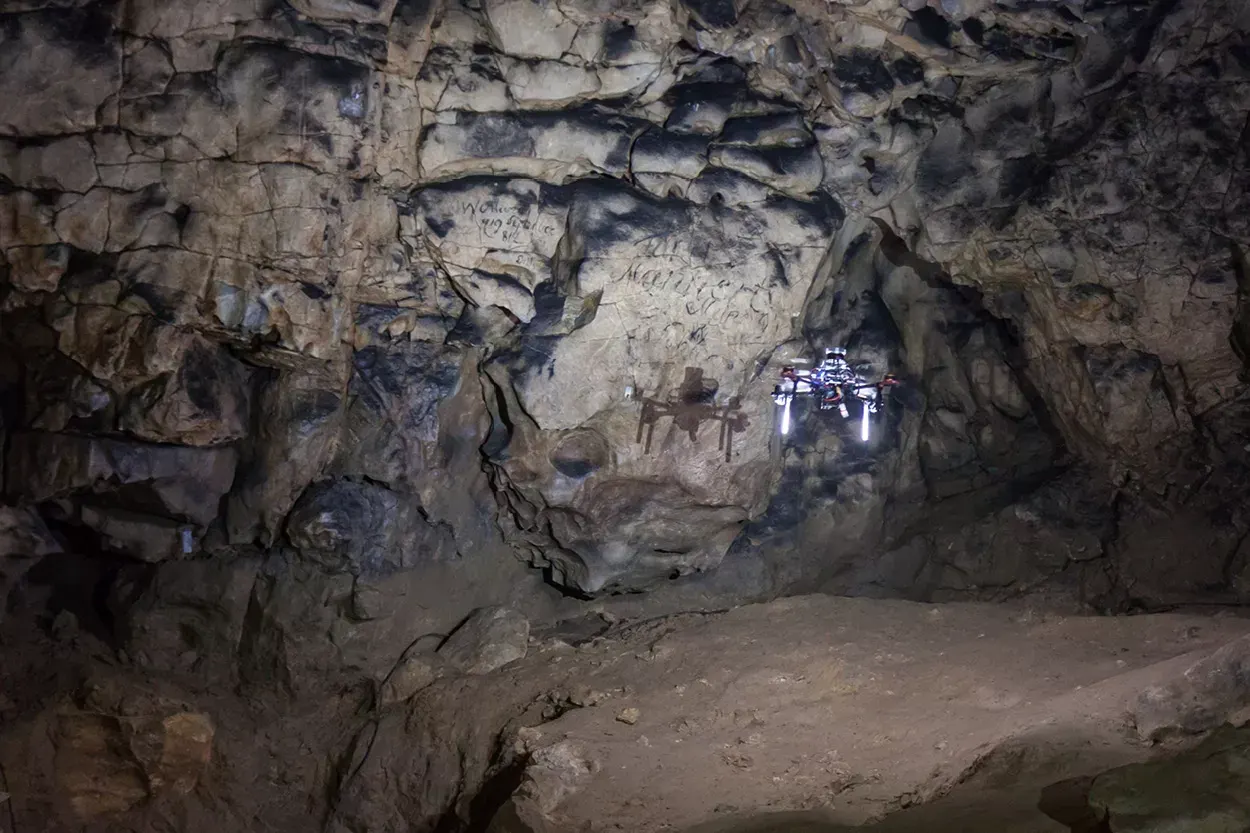
Whether there is a call for search missions in emergencies on the surface or the rescue needs to go underground, Fly4Future can address any type of challenging environment. This is especially true in the case of an underground environment with no GNSS. Our X500 research drone boasts fully autonomous capabilities for indoor flight in unknown environments, thanks to its high onboard computing power, 3D lidar technology, multiple cameras for real-time image processing, and extended flight time.