
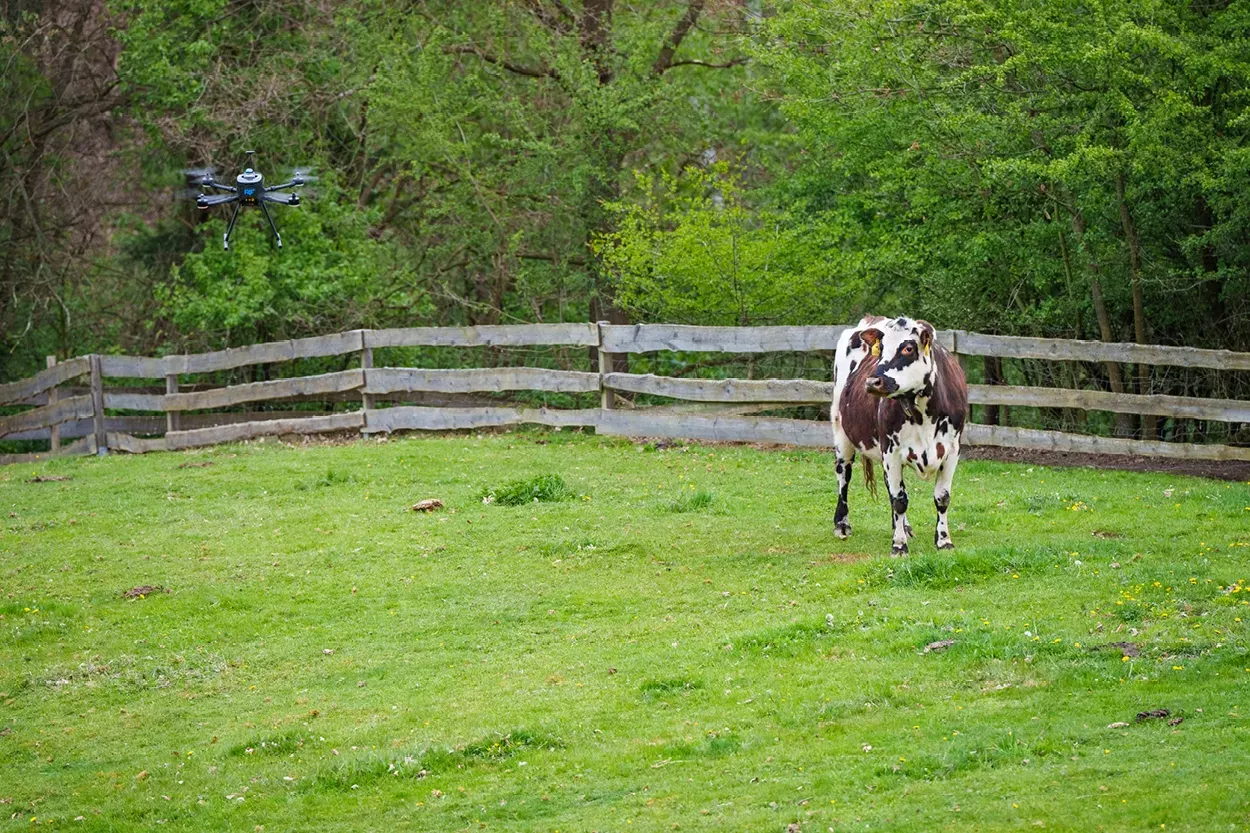
Monitoring of Wild and Domesticated Animals using Autonomous Drones
Drones are increasingly becoming a part of a wide range of industries. The association with technology companies or the military is no longer the only valid perception of drones. UAVs have found their way into civilian applications such as delivery services, heritage preservation, and urban applications, as well as agriculture. A growing use of drones for monitoring is in the management of wild and domesticated animals. Drones can also find their place in related ecological research, allowing researchers to map species and areas that were previously difficult to reach.
Wildlife management may involve monitoring a population of a specific kind of animal or an entire ecosystem and the fauna that interact within it. Livestock management, on the other hand, typically deals with tracking the location of a herd, counting newborns or deaths, or herding. Either way, to produce useful results, all monitoring must ensure accurate data collection and subsequent data analysis. The integration of drones can provide high-resolution imagery, and on-board analysis, and significantly improve traditional methods of livestock and wildlife monitoring.
Autonomous Collaborating Swarms of Drones for Monitoring by Fly4Future
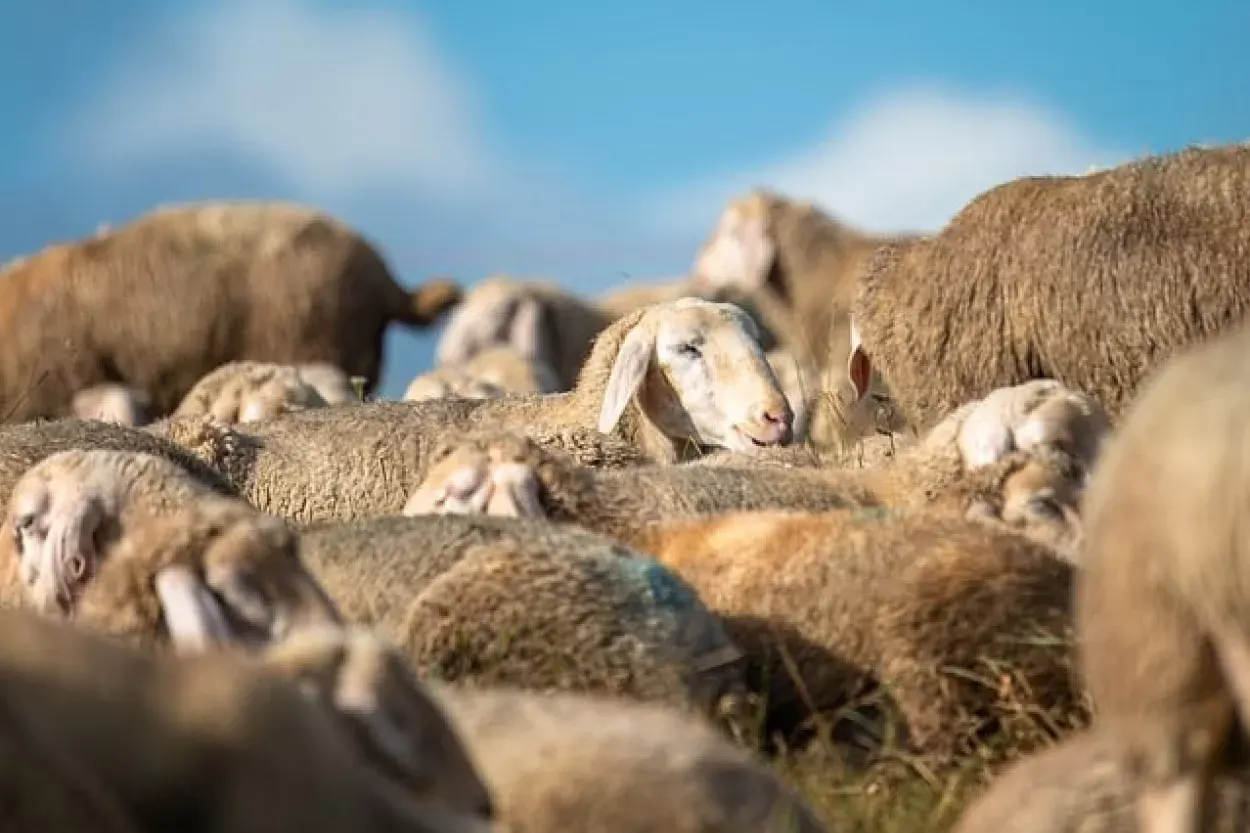
The Fly4Future team participated in a project testing the possibility of using drones to monitor camel herds in the inhospitable and difficult-to-access environment of the desert. The task was to locate the animals with a thermal camera and a multispectral camera utilizing a team of cooperating aerial robots. Autonomous monitoring by a multi-robot system is revolutionizing the way we manage wildlife and livestock. Our innovative approach is not limited to just camels but also extends to horses, cattle, sheep, and even species of wild animals.
By employing advanced technologies and algorithms, Fly4Future drones for monitoring work together seamlessly to monitor or coordinate the movement of the herd, ensuring efficient herding practices without the need for human intervention. Furthermore, our swarms of drones can play a critical role in wildlife detection and inventory operations by providing real-time data and high computing power for on-board data processing and analysis.